Small Moments of Movement Matter in Midlife | Sunday Thrive
Sometimes the moments that matter most are very small
What a ferry full of mooing calves, one quiet class on Eday and a very tired Saturday taught me about movement, impact and noticing what really counts.
At half past five on Saturday morning, my alarm went off.
A few hours later, I was reversing the Orkney Dance & Fitness van back onto an inter-island ferry while a trailer full of calves mooed beside me.
As you do.
If you teach fitness somewhere with a motorway, you might pack your kit, drive twenty minutes and arrive at a studio.
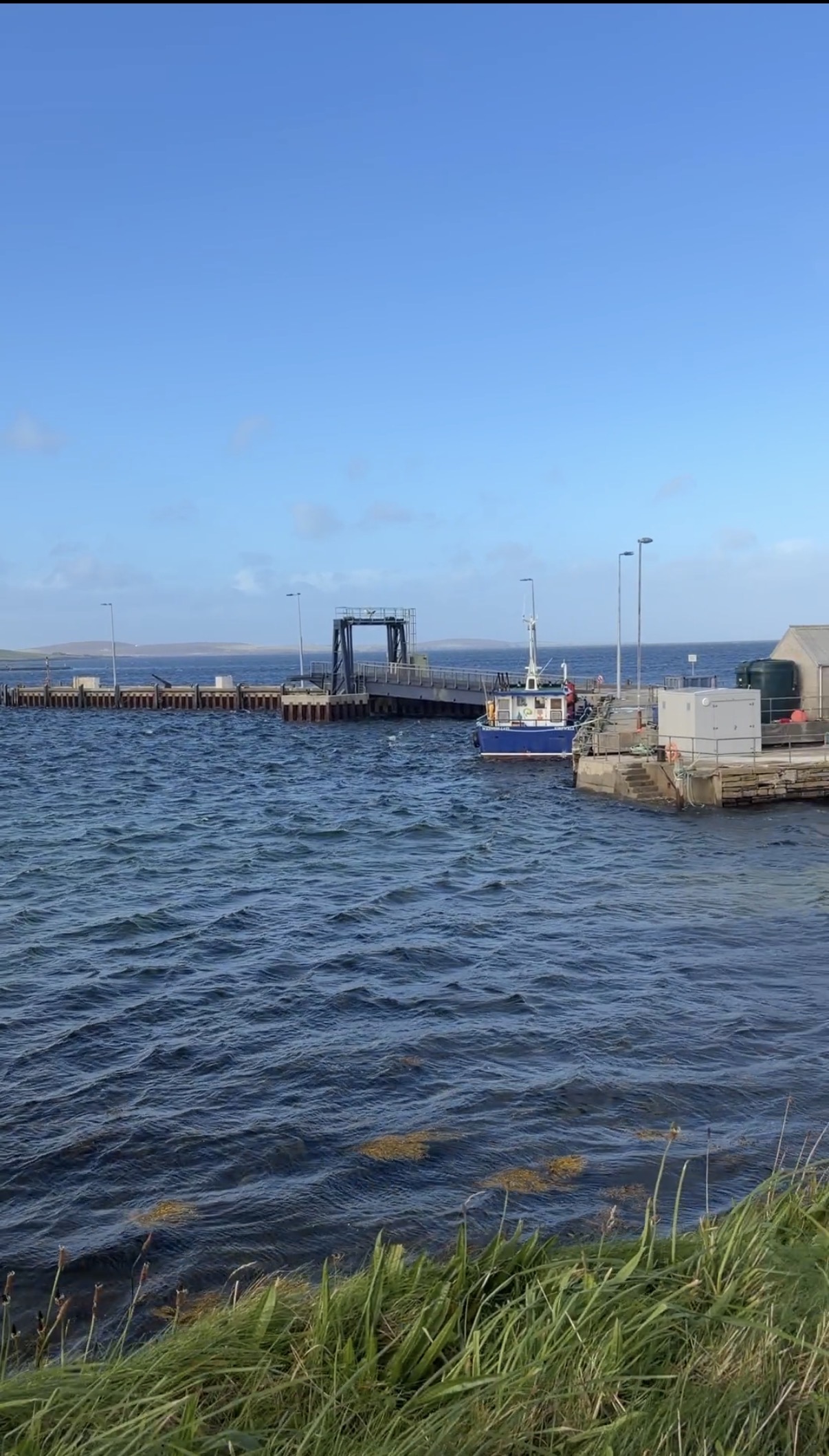
Here in Orkney, an island group off the north coast of Scotland, taking movement to a smaller community can mean a van, a rebounder, a very early ferry and a route via Stronsay and Sanday before you finally reach Eday.
At Sanday, I had to drive off, work out where I was meant to go with very little direction, then reverse the van back onto the boat. The soundtrack was supplied by the calves.
It was surreal, funny and completely normal for my life all at once.
First, a little follow-up from last Sunday
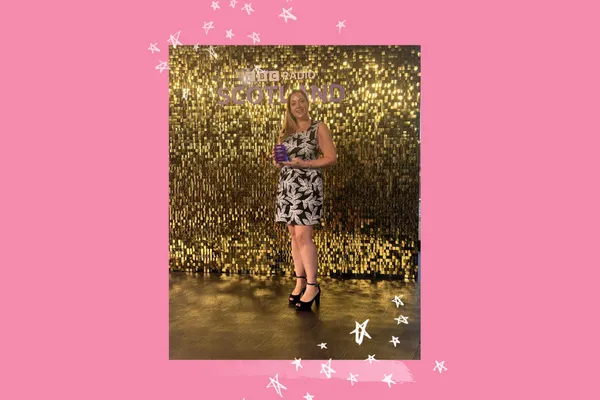
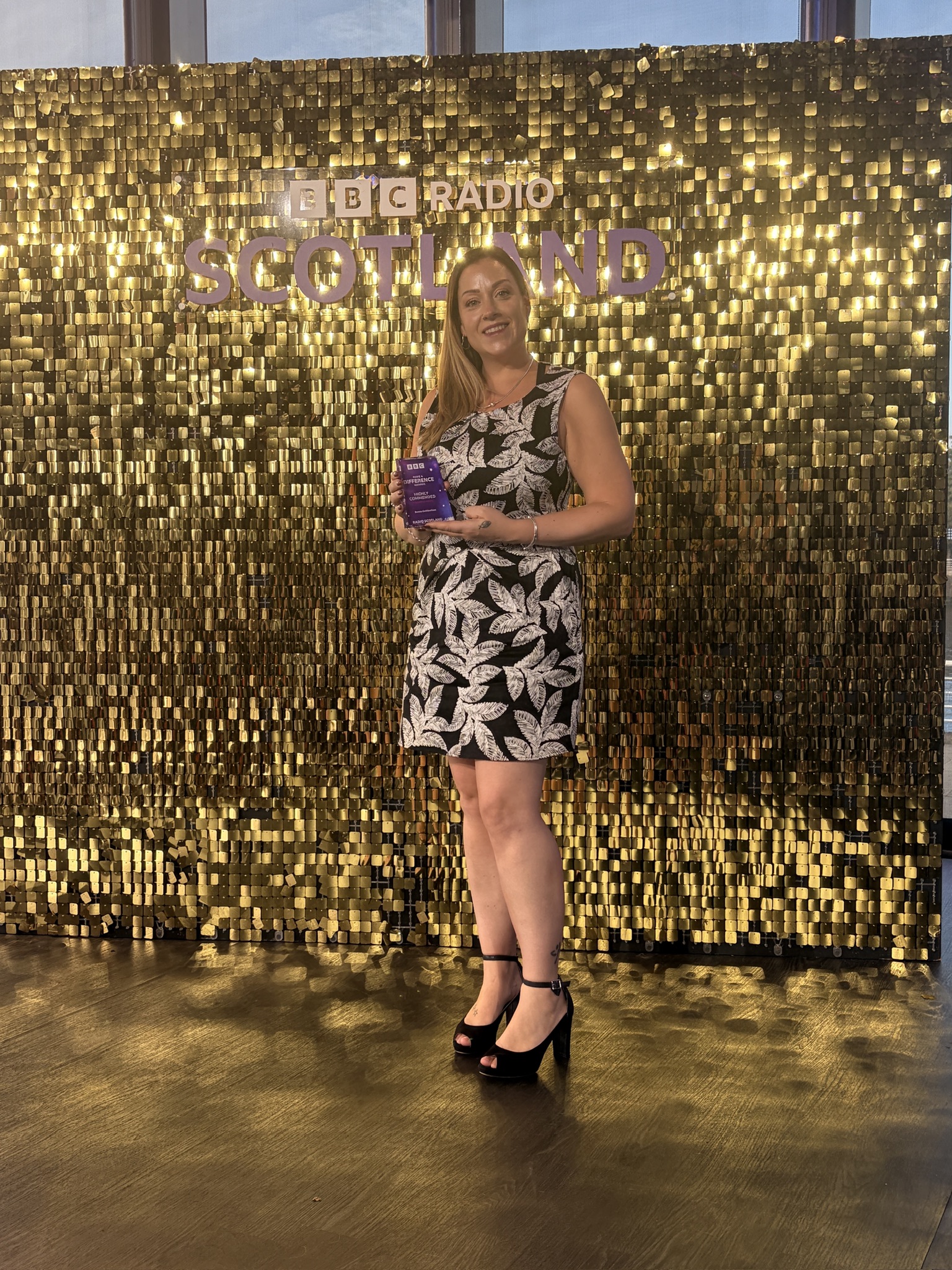
Last Sunday, I wrote about travelling to Glasgow with my daughter for the BBC Make a Difference Awards.
At that point, I did not know what the result would be. I asked whether perhaps the win had already happened—in the people helped, the communities reached and the fact that the work had carried us all the way to that room.
Now I can tell you what happened.
Donna Cuthbertson came home Highly Commended. 🩷
I did not win the category, but I stood in a room filled with people doing extraordinary things for their communities, with my daughter beside me, and heard our work recognised nationally.
That felt pretty special.
Then, because life occasionally gives you a lovely little encore, I appeared in The Orcadian—our local newspaper—for the second week running. This time I was pictured with a young fellow Orkney finalist we met at the awards, with another mention on the front page.
I was genuinely over the moon.
And then, almost before I had properly taken it in, my brain was off again.
What needs organising? Who needs an email? Have the kirk posters gone up? What is happening next week? Where have I put my phone?
My ADHD brain is very good at allowing approximately seventeen seconds for celebration before announcing, RIGHT, WHAT’S NEXT? 😂
I suspect plenty of midlife women will recognise that feeling, even without the awards ceremony. We finish the course, get through the difficult appointment, organise the family occasion, help the person who needed us or finally complete the job that has been hanging over us—and immediately move the goalpost.
We rarely stop long enough to notice that we are standing inside something we once hoped for.
The work behind the nice headlines
Alongside building The Midlife Thrive Club, I run Orkney Dance & Fitness, or ODAF—a community-focused non-profit social enterprise that creates inclusive opportunities for people to move and connect across Orkney.
That work has brought some lovely moments lately.
After being recognised at the BBC Make a Difference Awards, I appeared in The Orcadian, our local newspaper, for the second week running. A London production company has also been in touch because it is interested in exploring the community work we do.
I am over the moon. Truly.
When somebody outside Orkney notices the thing you have been quietly building, it gives you a boost. It makes you stand a little taller and think, Maybe this really is becoming something.
But while all that was happening, real life carried on.
There were posters to print and put up for the open evening at our old kirk in Dounby—a former church building we hope to develop into a welcoming community movement and wellbeing space. There were social posts for Facebook, Instagram and LinkedIn. There were board jobs to delegate, chairs to think about, tea and coffee to organise, emails to answer and the next two busy weeks already queueing up in my head.
There was family life too. Food. Washing. The house. Remembering what I had forgotten. My ADHD brain opening approximately seventeen tabs and finishing four of them.
Then there was Eday.
A small class is not a failed class
I travelled to Eday with Bev, the chair of ODAF, to support a wellbeing café. I brought a rebounder, taught some RetroFitMix—my feel-good, retro-inspired movement class—and finished with a little Pilates.
It was not packed.
If I judged the day only by numbers, I could have wondered whether a 5:30am start and hours of ferry travel were worth it.
Then an older gentleman got out of his chair.
He came right up near me and began copying my movements. He was watching, joining in and moving in his own way.
It was a tiny moment. There was no stage, no award and no newspaper photographer.
But it stopped me.
Later, the women in the Pilates session were so appreciative that we had travelled to their island and brought the class to them.
That was the whole point of the journey.
We did not ask people in a small, rural community to somehow make their way to us. We went to them.
Movement does not have to be impressive to count
This matters far beyond one class in Orkney.
The refreshed 2026 UK Chief Medical Officers’ guidance says the greatest health gains are seen when people move from inactivity to doing something. Activity does not have to be a long, structured workout: dancing, walking, gardening, household tasks and other regular movement all contribute. The guidance still encourages adults to build towards 150 minutes of moderate activity each week and include strength and balance work, but its starting message is wonderfully practical: some movement is better than none. [UK Chief Medical Officers’ physical activity guidance](https://www.gov.uk/government/news/new-uk-cmo-activity-guidelines-show-every-movement-counts)
For people living with dementia, the Alzheimer’s Society is careful not to claim that exercise stops the condition progressing. It does, however, explain that movement can support overall wellbeing, independence, balance and opportunities to spend time with other people—even short periods of light activity can be worthwhile. [Alzheimer’s Society: movement and exercise for people with dementia](https://www.alzheimers.org.uk/get-support/living-with-dementia/exercise)
That is useful for all of us in midlife too.
We can become so focused on whether we completed the perfect programme, lifted the heaviest weight, filled the class or hit the target that we miss what movement is actually doing.
It might be helping you carry the shopping more easily.
It might be giving you twenty minutes with other people after a lonely week.
It might be building the strength that your future self will need.
It might simply be the thing that makes you want to get out of your chair today.
None of that is small when it is happening in a real life and a real body.
Big recognition, quiet impact
The newspaper coverage is lovely. The awards recognition was lovely. The possible television interest is exciting, although I know exploratory conversations do not guarantee that anything will be filmed or broadcast.
But those things are not what make the work valuable.
They are signals that other people can see the story.
The value was already there in a small room on Eday, when one person chose to join in.
I think many of us need that reminder.
Perhaps you are working two or three jobs, caring for children or parents, carrying the household admin, navigating perimenopause, trying to look after yourself and still feeling as if you are not doing enough.
Perhaps your week did not produce a headline.
Perhaps the washing is still unfinished and the email is still unanswered.
That does not mean nothing mattered.
Maybe you took a ten-minute walk instead of doing the full workout.
Maybe you asked for help.
Maybe you sat down before your body forced you to.
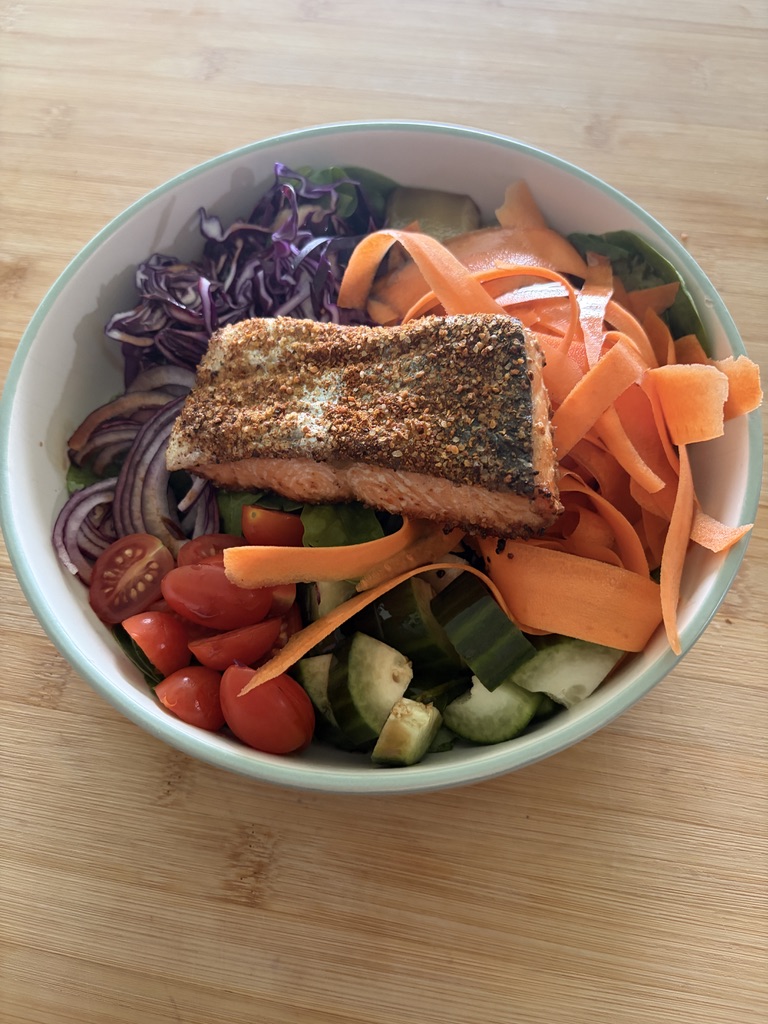
Maybe you fed yourself properly after a chaotic day.
Maybe you made one person feel welcome.
Maybe you were that one person who got up and joined in.
Rest is part of the story too
By the time I got home on Saturday, I was absolutely exhausted.
My body did not need me to prove anything else. It did not need another workout or one quick job on the laptop.
It needed a proper meal, a hot bath, a glass of wine if I fancied it and an evening with my family.
That is not quitting. That is listening.
We cannot talk honestly about thriving in midlife while pretending that constant output is healthy. Community work matters. Ambition matters. Showing up matters. So do boundaries, food, sleep, support and stopping.
That is the balance I am still learning:
Move—in a way that meets the body and life you have today.
Connect—because we were never meant to carry everything alone.
Thrive—not by squeezing more into every hour, but by noticing what matters and letting enough be enough.
Your Ridiculously Small Sunday Challenge
Choose one tiny thing from this week that counted—and give it a full minute of credit.
That is it. No worksheet. No seven-step gratitude practice. No turning it into another job. 😂
Perhaps you took a ten-minute walk, asked for help, made somebody feel welcome, cooked a proper meal or stopped when your body needed rest.
Name it. Say, That counted. Then resist the urge to add “but I should have…” to the end.
If your energy allows, add one ridiculously small bit of movement today: stand up and stretch while the kettle boils, walk to the end of the road, or put on one song and move until it finishes.
One thing noticed. One small movement. Done.
The moments that matter most do not always look impressive from the outside.
Sometimes they look like an older gentleman getting out of his chair.
Sometimes they look like a woman finally getting into the bath.
And sometimes they come with a ferry full of mooing calves.
Until next Sunday 🩷
Donna xx
The Midlife Thrive Club
Move | Connect | Thrive
Let’s simply start together.
If you’d like a realistic way to begin moving again, download my free 15-Minute-a-Day Magic Menopause Reset. No punishing workouts and no complete life overhaul—just manageable movement for real midlife weeks.
This article provides general information and is not a substitute for individual medical advice. Speak to an appropriately qualified healthcare professional about symptoms, recovery after a procedure or movement that may need to be adapted for your circumstances.